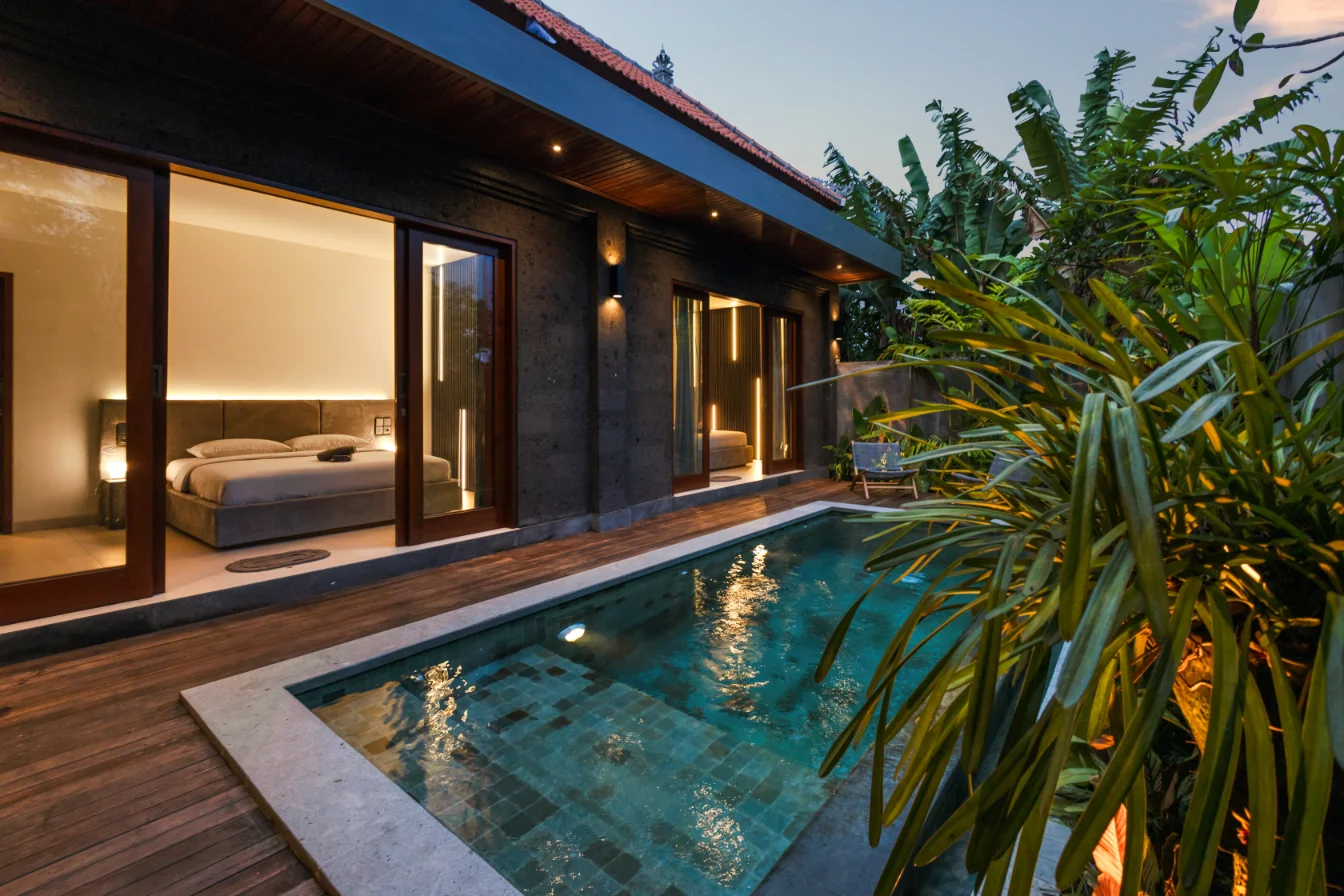
The transformation of Seminyak from a quiet fishing village into one of Asia’s most renowned yoga destinations represents a fascinating convergence of global wellness trends, Balinese spiritual accessibility, and the entrepreneurial vision of yoga teachers and wellness entrepreneurs. Over the past decade, what began with a handful of yoga enthusiasts practicing on beaches has blossomed into an ecosystem of ten major studios, numerous independent instructors, and a supporting network of cafés, spa facilities, and wellness centers.
The appeal of practicing yoga in Seminyak operates on multiple levels simultaneously. Physically, the warm tropical climate allows year-round practice without heating costs, while the ocean breeze and open-air settings create practice environments that many Western studios cannot replicate. Spiritually, Bali’s profound Hindu-Buddhist traditions create an atmosphere where yoga’s philosophical dimensions feel less abstract and more woven into daily reality. Practically, Seminyak’s infrastructure—reliable accommodation, good restaurants, reasonable costs—makes extended yoga study feasible for practitioners from around the world.
The Ten Studios: Diverse Philosophies Under One Umbrella
Pondok Yoga: The Gateway to Authenticity
Located down a quiet lane accessed only by foot, Pondok Yoga deliberately maintains an off-the-radar quality. The studio consists of an open-air shala—a traditional teaching space—surrounded by lush tropical vegetation. Here, “relaxed” and “local” aren’t marketing terms but genuine descriptions of the operating philosophy. Classes emphasize grounding hatha practices and slow vinyasa flows designed for mental clarity rather than physical challenge.
The teachers at Pondok Yoga tend to be longer-term residents of Bali who’ve developed deep personal practices over years. They understand the challenges Western travelers face adjusting to Bali’s heat, humidity, and different food, designing practices that support this adjustment rather than pushing intensity. Many practitioners return to Pondok Yoga not for fitness advancement but for the spiritual and mental centering that occurs within the shala’s peaceful environment.
Yoga 108: The Community Hub
Centrally located on Jl. Drupadi, Yoga 108 operates as Seminyak’s most approachable yoga center. “Approachable” here means genuinely welcoming to absolute beginners while remaining challenging for experienced practitioners. The studio’s structure—simple, open spaces with clear scheduling—removes barriers to entry. Drop-in class mechanics are transparently explained; instructors proactively approach newcomers to understand their experience level and any physical limitations.
The class variety at Yoga 108 is exceptional. Vinyasa flows for dynamic practitioners share the schedule with gentle hatha sessions for recovery. Meditation-focused classes serve practitioners seeking mental quieting. Yin yoga classes emphasize long holds and deep stretching. This diversity means that visitors can design their own practice rhythm—intense physical practice some days, restorative attention other days—all within a single studio.
The teaching philosophy emphasizes supporting each student’s individual journey rather than achieving advanced poses or athletic metrics. Teachers frequently remind classes that “yoga is not a competition—honor your body’s wisdom today.”
Prana Bali: Luxury Wellness Integration
Prana Bali makes no effort to hide its upscale positioning. The Middle Eastern-inspired aesthetic—ornate tilework, flowing curtains, carefully chosen lighting—creates an environment that feels more luxury spa than traditional yoga studio. The message is clear: here, yoga integrates with broader wellness practices including massage, facials, and spa treatments.
Classes at Prana Bali combine movement with breathwork and restorative elements rather than emphasizing dynamic flow. The pacing is intentionally slower, the environment luxuriously calm. A typical class might feature thirty minutes of gentle movement, fifteen minutes of pranayama (breath work) instruction, and twenty minutes of guided relaxation. Post-class, many practitioners drift into spa services—enjoying a massage that reinforces the physical work of the practice.
This approach attracts practitioners seeking integrated wellness experiences and those willing to invest in premium service. First-time visitors often feel somewhat intimidated by Prana Bali’s elegance, but instructors quickly establish welcoming atmospheres, making clear that everyone is honored regardless of experience level or financial status.
Snana Yoga: The Inclusive Community Space
Snana Yoga occupies a bright, airy studio with large windows and natural lighting. The physical space communicates openness—there are few mirrors (reducing self-judgment and comparison), and the layout encourages a sense of spaciousness rather than crowding. Teachers are known for warmth and patience, approaching each student with genuine interest in their practice.
Classes emphasize flow sequences and alignment-focused hatha, offering enough variation to prevent boredom while maintaining consistency. The community mix—locals and travelers, beginners and advanced practitioners—creates a diverse energy that enriches class experiences. Post-class, many students linger, forming friendships that sometimes extend beyond yoga.
YogaFX: The Serious Practice Space
For practitioners seeking challenging sequences and progressive advancement, YogaFX offers structured, energizing classes. The teaching philosophy views yoga as a physical discipline requiring consistent effort to develop flexibility, strength, and stamina. Classes progress logically, with teachers explaining breath-to-movement coordination and offering modifications that allow gradual advancement.
Many students train with YogaFX for months or years, joining specific classes regularly and developing relationships with teachers who understand their bodies and practice evolution. The studio attracts yoga athletes—practitioners viewing yoga as a legitimate fitness discipline rather than purely spiritual practice.
Jiwa Yoga: Bikram’s Dynamic Approach
Specializing in Bikram yoga—flowing sequences practiced in heated rooms—Jiwa Yoga appeals to practitioners seeking dynamic, sweat-inducing practice. The heat intensifies the challenge and accelerates flexibility development. Classes feature consistent sequences, allowing students to focus on subtle refinements rather than learning new poses.
The environment at Jiwa Yoga is notably friendly and unpretentious. Despite the physical intensity of heated classes, the community feel remains welcoming and supportive. Teachers emphasize proper alignment and individual capability rather than competitive achievement.
Smaraia Yoga Studio: Intimate Instruction
Located above a souvlaki restaurant (providing convenient post-class meals), Smaraia Yoga operates with intentionally small class sizes. This allows teachers to provide individual attention to each student, offering specific modifications and modifications based on observed alignments and individual needs.
The philosophy emphasizes “breath-led flow and mindful alignment”—students learn to use breath as an anchor for awareness, coordinating movement with intentional breathing patterns. For beginners seeking careful guidance, small class environments provide confidence-building instruction impossible in larger studio settings.
Olop Iyengar Yoga: Precision and Props
Iyengar yoga emphasizes precise alignment, often using props—blocks, straps, bolsters—to support proper positioning. Olop Iyengar Yoga operates this specialty approach with teachers trained in the Iyengar method’s detailed anatomical approach. Classes move slowly, with teachers providing extensive hands-on adjustments and verbal cues ensuring alignment precision.
This approach particularly suits students with injuries, chronic conditions, or those seeking to refine their understanding of how yoga postures should feel. Rather than “achievement,” the focus is “understanding”—learning how to position your body for optimal benefit and safety.
Goddess Retreats: Women-Centered Wellness
Recognizing that some women prefer practicing in women-only environments, Goddess Retreats offers yoga, wellness workshops, and spa services exclusively for women. The curriculum emphasizes grounding rather than intensity, with practices designed to support women’s specific wellness needs.
The retreat format typically runs three to seven days, combining daily classes, meals, spa services, and sometimes guest workshops on topics like nutrition, hormonal health, or personal development. Many women report that the women-centered environment allows deeper vulnerability and authentic connection.
The Place Retreats: Personalized Transformation
For those seeking individualized attention or intensive retreat experiences, The Place Retreats offers private and small-group sessions in tranquil garden settings. Teachers design sessions based on individual goals—recovery from injury, deepening existing practice, exploring specific yoga styles, or personal growth exploration.
The retreats typically involve accommodation, meals, daily private or small-group sessions, and sometimes additional services like massage or meditation instruction. This format appeals to those ready to invest significantly in yoga education or transformation.
The Practical Reality: What You Need to Know
Pricing Accessibility
Drop-in class pricing ($8-11 USD equivalent) remains accessible even for budget travelers. Multi-class passes reduce per-session costs further, making regular practice financially feasible. Monthly unlimited passes, while higher investment, provide excellent value for those staying extended periods.
Private lessons start at approximately $45 USD—premium pricing reflecting the teacher’s time and expertise but reasonable compared to Western private instruction rates.
Seasonal Considerations
The dry season (May–October) offers optimal practice conditions with sunny mornings, minimal rain, and comfortable ocean temperatures. Many studios offer special workshops, teacher trainings, and retreats during this season. Visiting during wet season (November–April) offers advantages too—fewer crowds, lower accommodation prices, and more intimate class environments.
Finding Your Studio Match
The abundance of options means finding your ideal yoga home requires exploration. Most studios welcome drop-in visitors, and teachers appreciate questions about their teaching approach, class intensity, and philosophy. Trying multiple studios and teachers before committing allows you to find where you genuinely belong rather than settling for convenient location or online reviews.
The Deeper Impact: Yoga Beyond Physical Practice
Many practitioners arriving in Seminyak for a week of yoga classes discover that yoga becomes more than exercise—it becomes a lens for viewing life, a practice transforming not just flexibility but perspective, relationships, and self-understanding. Teachers frequently report that students’ most significant transformations occur not during practice but in the days and weeks following, when insights from the mat begin reshaping daily life.
The Seminyak yoga community, despite its growth and increasing commercialization, maintains connection to yoga’s deeper philosophical roots. This balance—honoring tradition while embracing modernity—defines why Seminyak has become and remains Asia’s premier yoga destination.